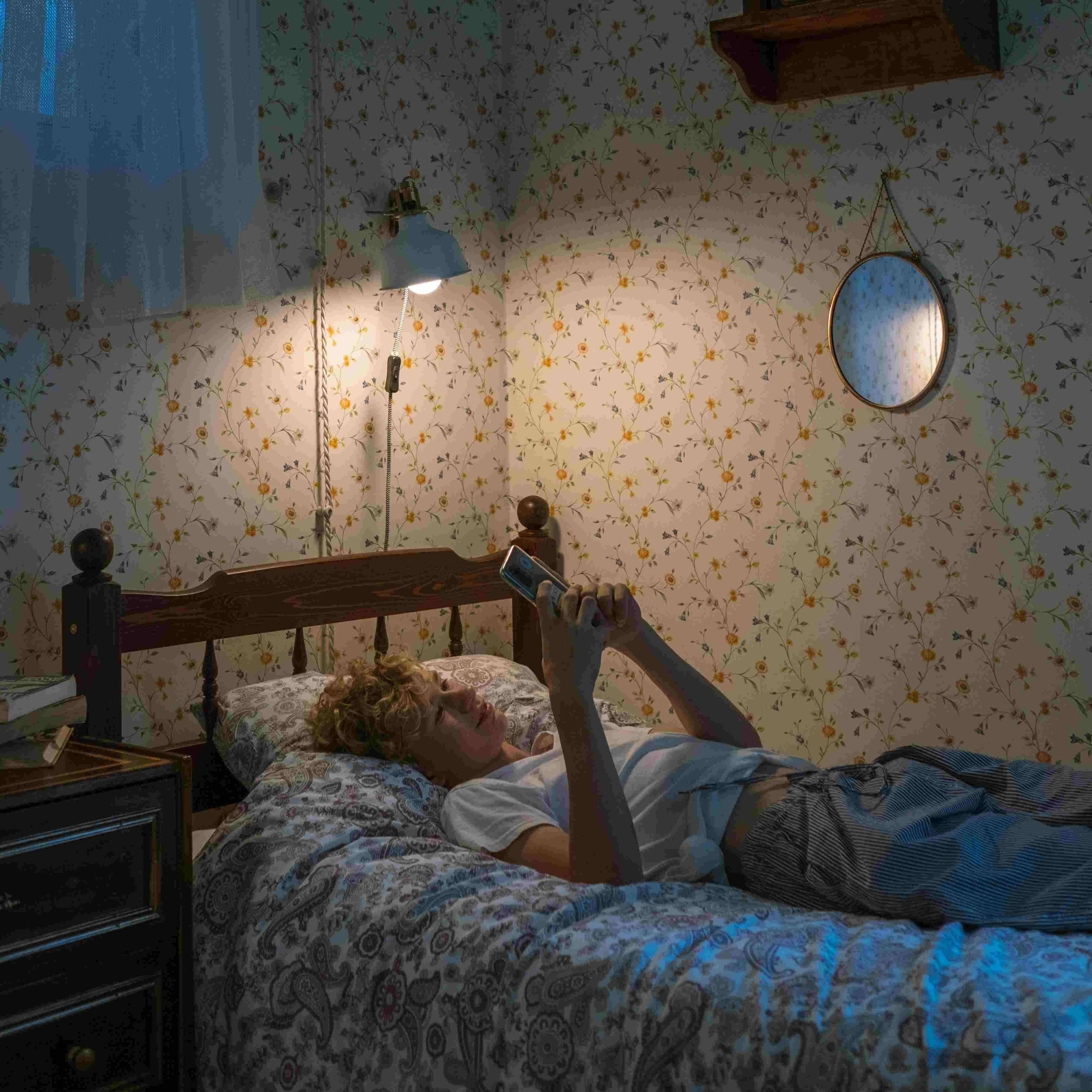


Australia’s new social media restrictions for under‑16s have sparked plenty of discussion about safety, wellbeing and the digital lives of children and teenagers. While these changes are not designed as a “sleep policy”, conversations about screens and social media inevitably overlap with concerns about healthy sleep.
What the new restrictions do (and don’t) target
The federal government’s world‑first restriction on social media use for under‑16s aims to reduce phone addiction, limit exposure to bullying, and curb the impact of manipulative platform design. It focuses on preventing children under 16 from creating or maintaining accounts on major platforms such as TikTok, Instagram, Snapchat and YouTube.
Importantly, the primary goals relate to safety and wellbeing rather than sleep specifically. Poor sleep in young people is influenced by many factors beyond social media accounts alone, and no single policy can fix the full range of sleep issues children and adolescents face.
How sleep fits into the picture
Even though the policy does not directly target sleep, it is hard to separate discussions about social media from the way technology affects when and how well young people sleep. Late‑night scrolling, online social pressures, bright screen light and the “fear of missing out” can all make it harder to wind down and fall asleep.
Limiting social media may remove one obvious distraction, but it does not automatically teach young people how to disconnect more broadly from phones, gaming, messaging or streaming in the hours before bed. Many online activities unrelated to social media can still keep children and teenagers awake well past their ideal bedtime.
Sleep, mental health and social development: a bigger puzzle
Teen sleep, mental health, bullying experiences and social development are influenced by a complex mix of factors. These include lifestyle habits, family support, home and school environments, education, socioeconomic circumstances, personality, physical and mental health, and developmental differences (including both neurodivergent and neurotypical young people).
Because of this complexity, restrictions on social media are only one small piece of the puzzle. Broader strategies are needed to support young people’s sleep and wellbeing in a sustainable and fair way.
What else needs to happen?
To genuinely support better sleep and overall wellbeing for children and teenagers, social media rules should sit alongside practical education and behaviour change strategies. Helpful approaches include:
- Promoting consistent bedtimes and wake times, even on weekends.
- Providing clear, age‑appropriate education aboutwhy sleep matters for mood, learning, growth and resilience.
- Encouraging tech‑free sleep environments, suchas keeping phones and other devices out of the bedroom overnight.
- Supporting kinder online behaviour and safer digital spaces to reduce stress, anxiety and bullying.
- Helping families learn simple relaxation techniques and wind‑down routines before bed.
- Encouraging balanced daily routines that include physical activity, offline hobbies, social connection and downtime.
These kinds of evidence‑based strategies can make a real difference, whether or not a young person has access to social media accounts.
The Sleep Health Foundation’s ongoing role
The Sleep Health Foundation will continue to highlight the importance of healthy sleep as a core pillar of children’s and adolescents’ wellbeing. This includes raising awareness of how technology use fits into the broader picture of sleep, supporting families with practical tips, and advocating for policies and programs that reflect the complexity of young people’s lives.
Social media restrictions may reduce one potential barrier to sleep for some young people, but they are not a standalone solution – nor were they designed to be. Ensuring children and teenagers get the sleep they need will always require a combination of supportive environments, good sleep habits, thoughtful use of technology and clear, consistent health messages.
For more information, visit our fact sheet catalogue for Children, Adolescents & Parents.